B2B Ecommerce positioning strategy – Miva vs Shopify | From 10 to Win
B2B Ecommerce platform positioning

Positioning analysis of Shopify versus Miva using SmokeLadder

Video Transcript:

In this episode we’re looking at B2B Ecommerce platforms to see how Miva can improve their positioning to take on market leader, Shopify.

We looked at both of their websites, analyzed them both, compared and contrasted them, and found some different opportunities where we think Miva might be able to move up and take on Shopify in some new ways.


Website reviews of Miva and Shopify

First, let’s look at Miva’s home page. So we can see their messaging focused on being fast, flexible, complete, best ecommerce platform for modern B2B, take control of your online store, B2B ecommerce solution design for growth. Sounds pretty good overall. The focus on B2B specifically is a strength for sure.
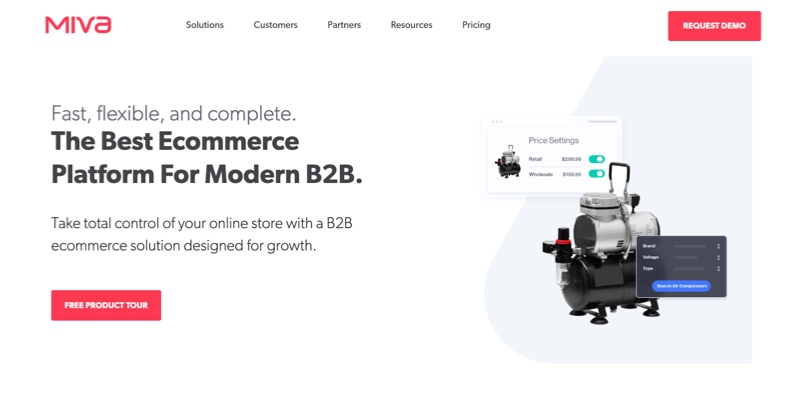
Miva home page

Then we can jump over to Shopify.

Now this is not Shopify’s homepage. This is a dedicated landing page. They have for B2B. And if we come down here, we can see in their sub headline, grow and run your wholesale business with tools optimized for flexibility, customization.
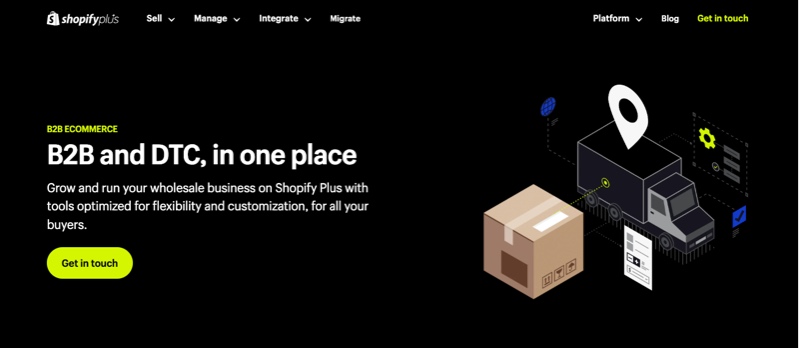
Shopify home page

Already, we can see some overlap with the things that Miva was focused on, which already kind of weakens their position a little bit.


Positioning analysis of Miva vs Shopify

Let’s take a look at our app and let’s see how they scored and, what else they’re focused on. So total positioning score overall, they did great.

We look at two different things overall here. We’re looking at the value, the overall points of value that they provide and differentiation. In this case, we’re looking at the category of marketing tools.

If we come down here, we can see all the points of value that we grade them on. This is these are the points of value we grade every every website on.

We’re scoring them on a scale of one to ten. As we move across, we can see on the right hand side, the points where they’re the strongest, So quality expertise, integration, flexible, configurable, all things that if you were in the market for an ecommerce platform are things that you would definitely care about.

Let’s now jump over to the differentiation tab.

This first one is we’re comparing it against category averages. These are averages that we develop internally in our app based on all the sites we’ve analyzed.

They’ve got really good separation here. We come down. We can see they’ve got some really good strengths, integration, configurable, lower costs.

But what we’re really interested in with this is how do they compare with Shopify’s landing page?

We come down here and we can see it gets a little bit more muddy.
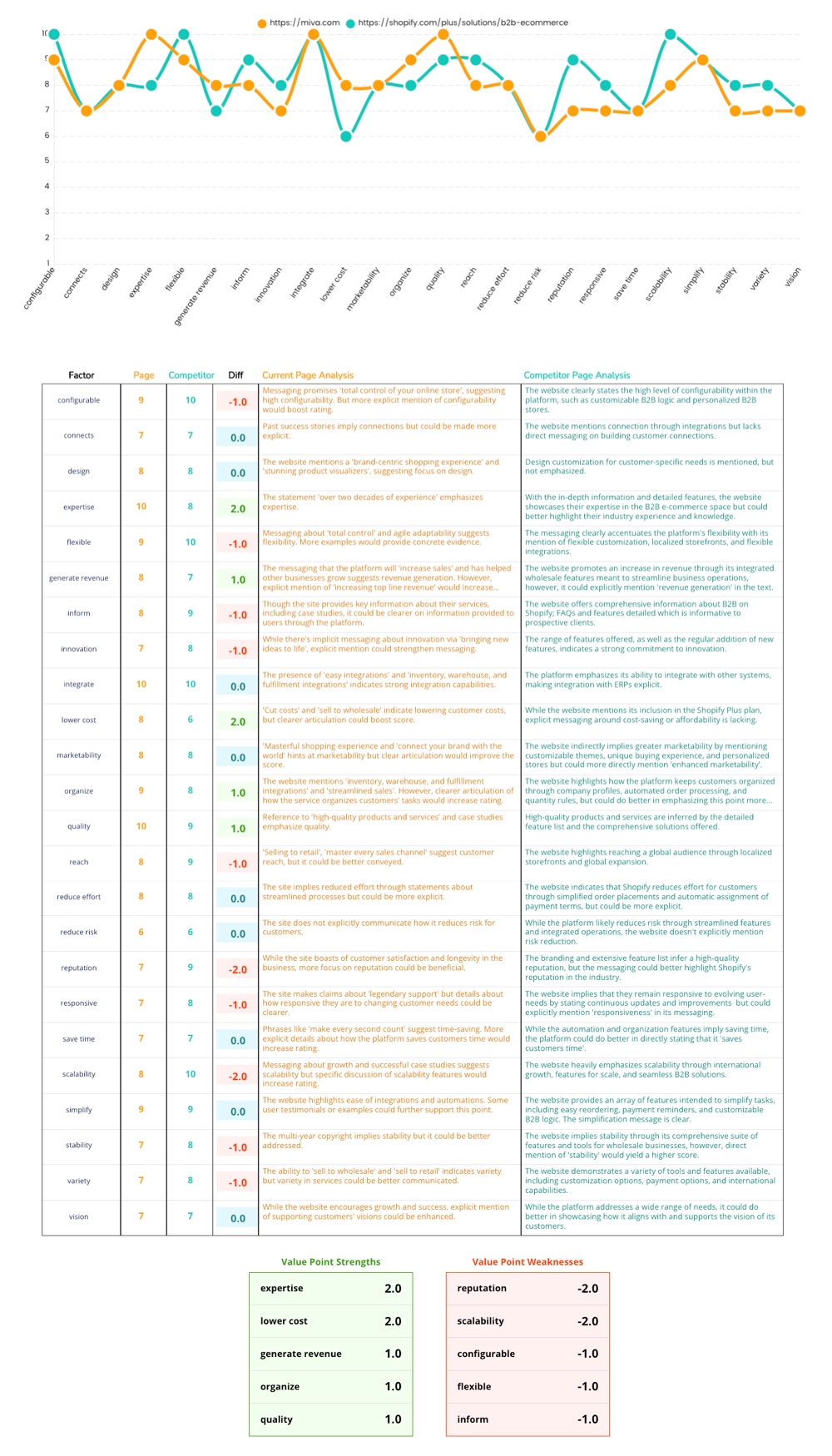
Positioning analysis Shopify vs Miva

As we move across here, we can see There are some points where the orange line representing MIVA is ahead and does have some advantages, but we can see there’s a lot of areas where Shopify and blue has advantages over MIVA. And then there are a bunch of points where they’re just sort of equal.

If we come down scroll down here, we can see the specific points where Miva is the strongest or has the the most separation from Shopify, expertise, lower cost are the two biggest ones. Expert is a good one. It was interesting looking at the history of these two company. Shopify has been around a long time. They’ve been around since two thousand six, but MIPA has actually been around even longer. They’ve been around since nineteen ninety six.

In the tech space, maybe being around even longer in some cases might not be an advantage. You might view them as maybe being less fresh, less innovative. I don’t know. But overall, it still shows that they have really deep expertise. They’ve got a lot of years in the space, which I think overall is a good thing. Lower cost is not something we would typically want to really emphasize from a positioning point. At least not have it be the primary point of of emphasis for the position.

Only because it’s something that can always be undercut by another competitor.

So that’s a good thing. Obviously everybody wants to save money, everybody wants efficiency. So it’s not that that’s bad. It’s just that we might not want that to be the main focus point of the positioning.

Generating revenue, good, but kind of overlapped.

And organize is another interesting one. That I wanna dig into just a little bit more. The weaknesses we can see Shopify’s strengths, which are Miva’s weaknesses, reputation, of course, would be a strength for Shopify, scalability configurable.

But let’s jump back over to Miva’s site because there’s a section down here at the bottom. They talk about various features, growing revenue, different different aspects of the solution of their platform. Nothing that really, really stands out, but just sort of gives you an idea of what they can do. At the bottom here though, there’s this really interesting value prop of. Bring us the problems other platforms can’t handle.

This really leans into that idea of expertise that they have. It also leans into organization.

So being able to handle super complex stores with different complex setups, maybe They have lots of products, lots of skews, lots of variations.

Miva can handle that, and they’ve got the expertise to back it up.

They’ve also got this really great line here around legendary support.

This is a really nice phrase and also an area where I think they could separate themselves from Shopify.

If we come back over to the analysis, we can see that responsive is one of the points of value that we look at and Miva didn’t score particularly high in this. They scored actually slightly below Shopify, but I wonder if there’s some opportunity here for them to lean into that more to really lean into an identity built around expertise, responsiveness, being able to handle the most complex stories and businesses.

As a business owner, if I have a complex B2B business, knowing that a team or a solution or service like this really has my back is gonna help me get my site set up properly, help me walk through complex problems, that’s a big selling point, and gives me a little more confidence to maybe wanna try them over defaulting to a market leader like Shopify.


Where Miva has opportunities to win

So I think those are the areas where there might be some real opportunity for them to lean in. So rather than just talking about revenue growth being flexible, things that really overlap with Shopify, could they lean into we have deep expertise in B2B. We’ve got your back. We’re the most responsive support team that you’re gonna find, and we can organize and handle the most complex. Stores. That to me is a position that they could really build around.

I’ll look at one last thing in the AI insights and the decision maker insights. There’s one line in here from the COO position where it says, however, insights into onboarding training or continual support would assure me of smoother operations.

So we can see here the COO position is is craving that. They’re craving better support And then down here in the value proposition evaluation, we can see the the the summary line here is complete B2B ecommerce platform with legendary support. Even though legendary support was all the way down at the bottom of the page, that little phrase got pulled up as part of the core value. And I think that just shows how strong that phrasing is. And also this idea of adopts a client centric approach with white glove support as a memorable strength.

That’s something that I think they need to emphasize more and really lean into and double down on. This is just a quick analysis, of course. Obviously, you can do a lot more with the tool that we have and you can dig into your own competitors and Take some time, analyze your site, analyze some competitors, and see where you could challenge your market leader.
Go analyze a website!
Your positioning will thank you.

Email marketing positioning strategy – Campaign Monitor vs Mailchimp | From 10 to Win

Email marketing platform positioning

Positioning analysis of Mailchimp versus Campaign Monitor using SmokeLadder

Video Transcript:

In this episode we’re looking at email marketing platforms to see how Campaign Monitor can improve their positioning to take on market leader, Mailchimp.

We’ll start by looking at both of their websites to see how they’re positioning themselves right now.


Website reviews of Campaign Monitor and Mailchimp

First, we’ll talk about Mailchimp.

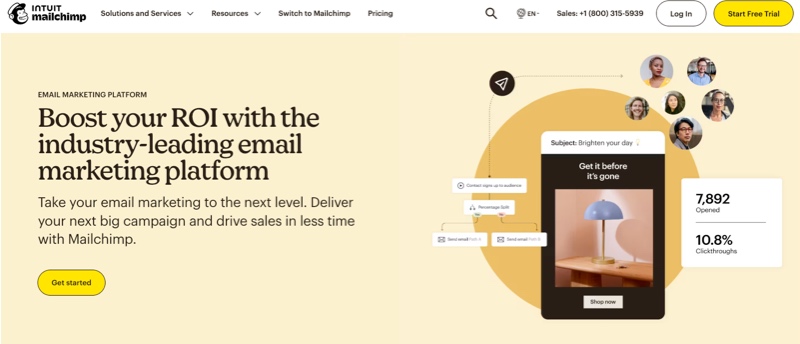
Their value prop is built around the business case for email marketing They also lean very hard into being that market leader, industry leading email marketing platform.

Mailchimp email landing page

They have some great stats to support this including: twenty two years in business. and twelve million users. A pretty strong position when you’re the market leader, you’ve obviously got some inherent advantages, around being able to speak to that.

Next we can look at Campaign Monitor and see how they’re positioning themselves.

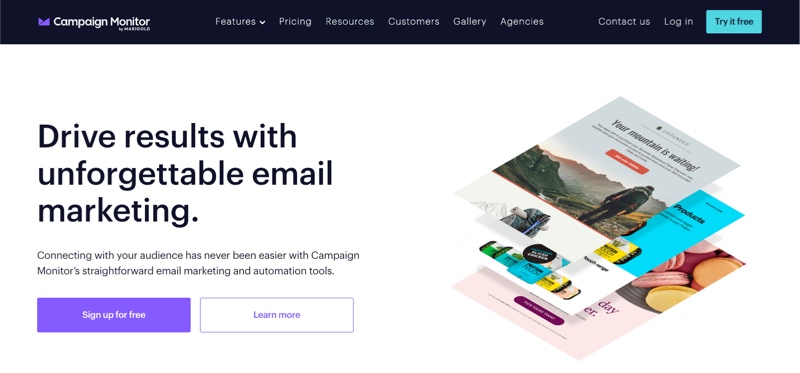
Their headline here drive results with unforgettable email marketing. Focusing largely on the business case for email.

Campaign Monitor home page messaging

They’ve got some social proof, drag and drop your way to a beautiful email, speaking about ease of use customization.

Overall, I would say this is more of a general email marketing position. I don’t feel like there is a specific point that they’re trying to make here. So let’s look at how they scored in our app, and we can see which points of value they have that really stand out.


Positioning analysis of Campaign Monitor vs Mailchimp

This first section is the total positioning score. So we looked at campaign monitor’s homepage, analyzed it. And we can see they scored really well. This is made up of two pieces, value. So the different points of value that they provide, how that comes together, and then differentiation how do they separate themselves from category averages?

And if we look at the value piece down here, we can see these are all the different points of value that we rate every website on, and we’re rating each of these on a scale of one to ten. As we move left to right, we can see the points where they’ve scored the highest. On the far right, marketability, connects, reach, innovation, quality, design.

A lot of points that you would assume might be associated with a marketing product an email marketing product like this. That’s that’s good. Those are those are good signals. We can flip now over to the differentiation tab.

And we can see how campaign monitor compares against category averages for the category of communication products.

And we can see some some really nice separation. That’s really what we’re looking for here is do they have clear separation from category averages. Can they stand out in the market?

And so we can see things like marketability, generating revenue, simplifying.

A lot of different points where they they stand out. That’s, again, all good signals But what we really wanna take a look at now is how do they compare against Mailchimp?

So we also analyzed Mailchimp’s landing page.

And down here, we can see the comparison between campaign monitors page and Mailchimp’s page.

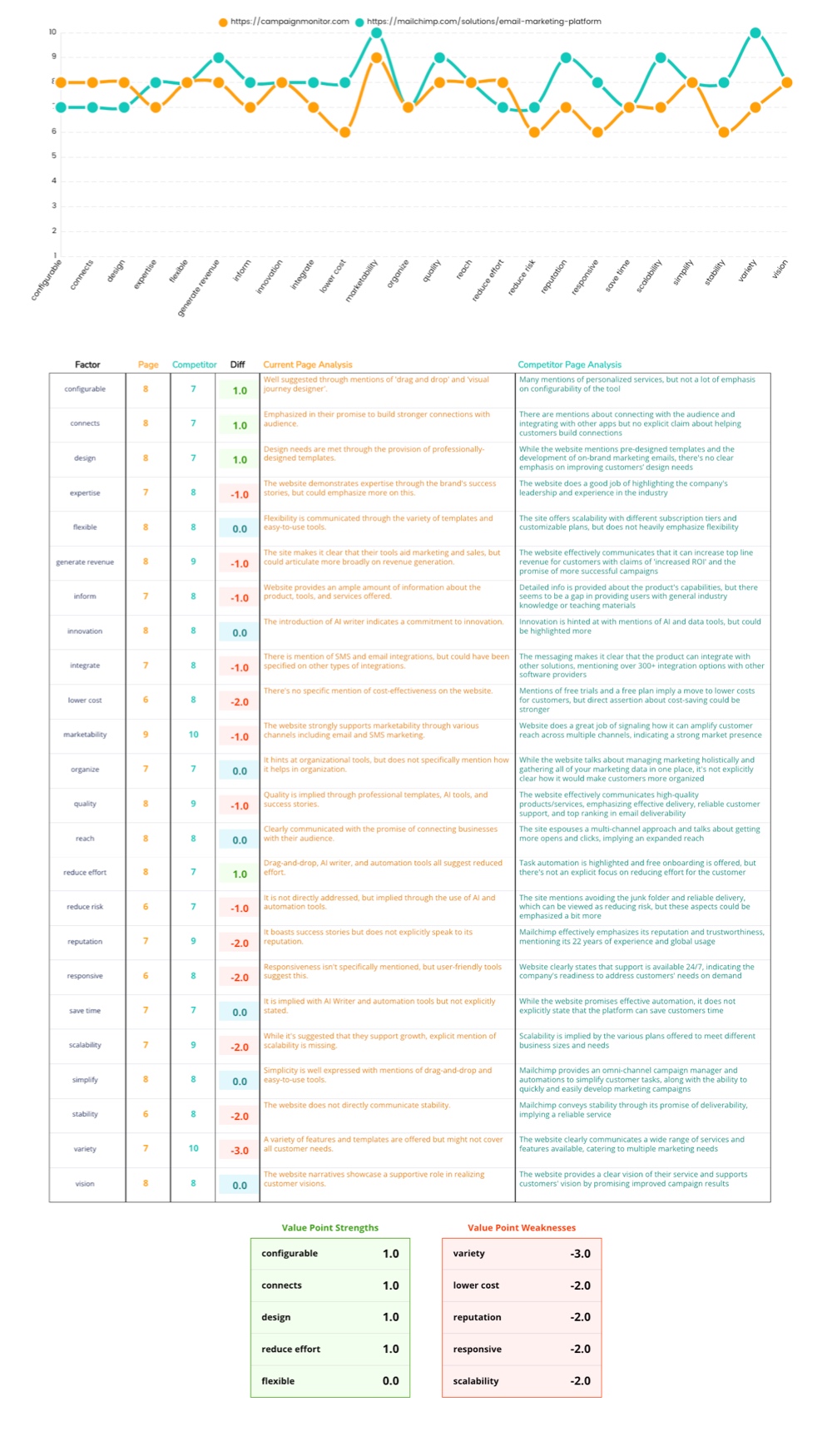
If we move left to right here, we can see there’s a little bit of gap here. Orange is campaign monitor blue, the turquoise color is Mailchimp.

Positioning analysis of Campaign Monitor vs Mailchimp

Campaign monitor has a few little gaps here around configurable connects design. But as we move across, we can see either they’re kind of equal. So things like innovation, flexible, or Mailchimp actually is ahead in a lot of places. So things like lower cost, reputation.

Going back to that market leader position makes sense that reputation would be really strong for them, and also variety of tools So it it makes it a lot harder now to see where campaign monitor can stand out and and what their positioning should be focused on. If we come down to the bottom, above this, we can see the points specific descriptions on why they received the scores that they did across each of these value points. And then when we get to the very bottom, we can see where campaign monitor has the strongest points. So configurable connects design, reduce effort.

Not a huge gap, between that them and Mailchimp, but a little bit. And then the weaknesses are essentially where Mailchimp has has advantages. Variety, lower cost, reputation, responsive scalability.

The question here is what could campaign monitor do to improve their position and challenge mailchimp and essentially try to set themselves apart so that when people are evaluating these products, customers have a reason to choose campaign monitor.


Where Campaign Monitor has opportunities to win

And I think if we come back to their their page again, they’re hinting a little bit at an interesting idea here with driver results with unforgettable email marketing. So kind of thinking about the engagement with the actual emails themselves, They also, if we come back down a little further, we can see they’re introducing this new AI writing feature.

Almost everybody’s introducing AI now at their products. So this isn’t a differentiator by itself, but it does make me think that there might be some opportunities around the a how they’re using AI that could help set them apart a little bit more.

And I wonder if if we actually come back here, if rather than just thinking about maybe generative AI, helping to write content for emails, are there some additional, pieces that they could add in there, like, helping to create more branded content, capturing the tone of voice of your brand in the writing. And could they also apply some generative AI around the design of the emails the imagery that they maybe create for emails.

And all of this building around these three points of connects, design, and reducing effort.

With connects – can we create stronger engagement with our customer’s design? Can we improve the actual design aesthetics of of the email and reducing effort, can we make this easier? That’s I mean, that’s the big part of the AI play, of course, is efficiency for for people.

To me, that represents some real potential opportunity of a place that they could start to build a stronger position around, and we’ll come over and take a look at this last tab, the AI insights.

The decision maker section here is imagining if there was, say, a buying committee that was considering, campaign monitor for their business, how might they evaluate the, their position and message for their own business? What are the strengths and weaknesses they see?

Not a strong score for CFO.

They’re not seeing, like, a lot of information about maybe, like, use cases and how how cost effective it is or, you know, the cost savings, but the CMO score is very strong.

And they’re talking about the easy to use design AI writing tool and the AI writing tool.

I think in their case, the CMO is probably a good person to think about is, like, the champion for them within a within an organization, which again feeds into that idea of we can build a stronger position around design and you know, engage customer engagement and ease of use around the writing tools and and creating on brand writing generative writing. I think there’s something there. I think that they could really position around. This last section is the value proposition, evaluation, And just a couple other points in here in terms of value improvements, featuring more use cases and success stories.

That’s an area that they could improve in. And then we can also see include more customized template options. So, again, I think that feeds into the idea of creating stronger visuals, better, you know, more engaging content for their emails. So to me, that feels like a path to pursue for them.

Because as we’re considering, you know, if we’re looking at it through the eyes of a potential customer and they’re looking at this landscape, all these different options, They’ve got Mailchimp as this industry leader.

Why would I choose campaign monitor instead? We’ve got to have like a really clear case you know, made for that. And we’ve gotta have a position that those customers can identify and remember to really set campaign monitor apart. To me, I think that idea of more engaging content, reducing effort around the the content creation feels like something that they could really lean into to to help chip away at that position and climb up that ladder a little bit. So That’s it. Hopefully this gives you some ideas of how, you can think about your own brand and how you could do some, your own analysis with potential competitors and, You know, get some more customers for yourself and help your business grow.

Go analyze a website!
Your positioning will thank you.